Research
Our research is structured around four interconnected and cutting-edge areas. We focus on developing state-of-the-art Artificial Intelligence models and deploying them in real-world applications to solve complex challenges.
Deep Learning-based Biometrics and Person Identification
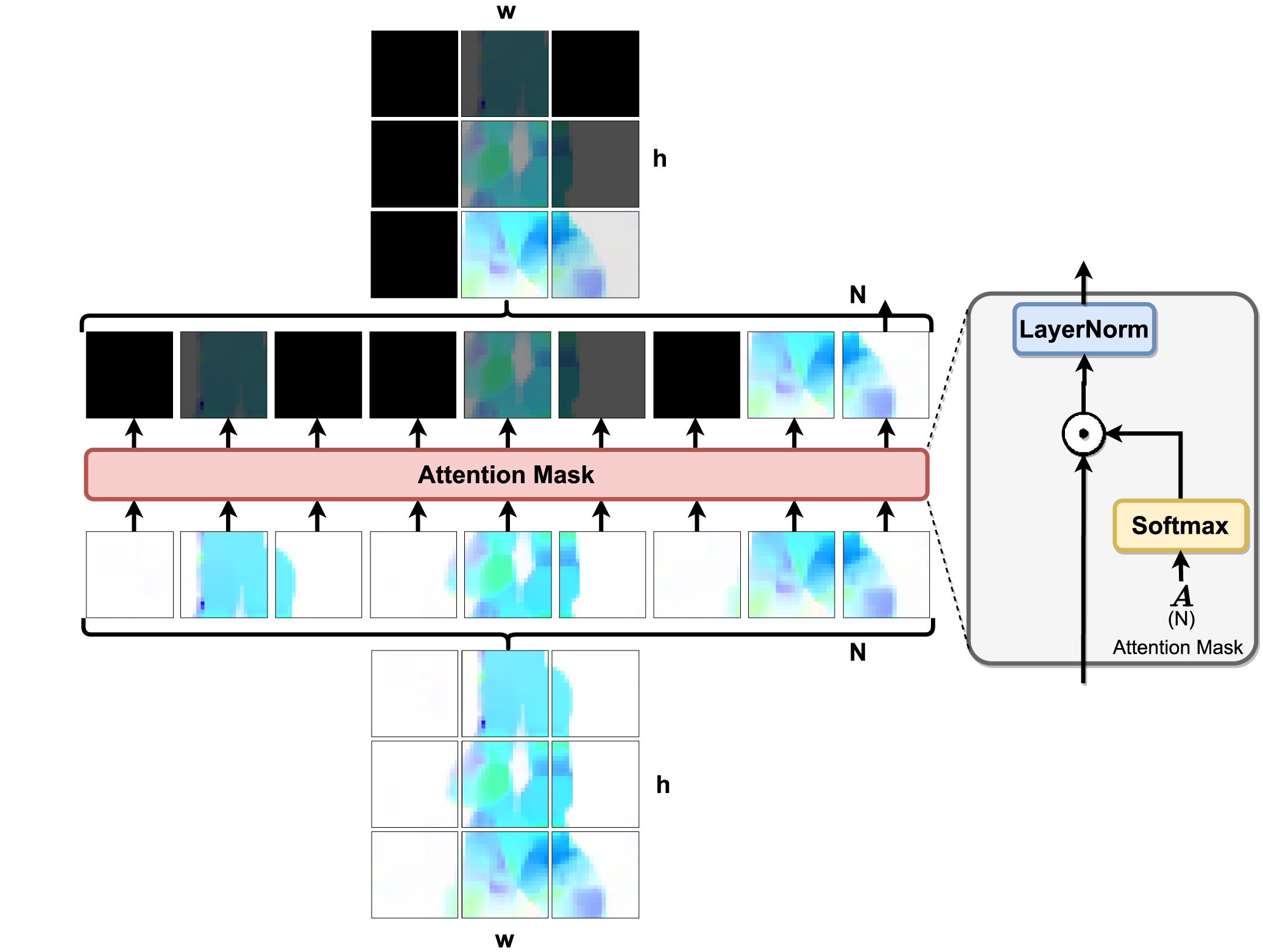
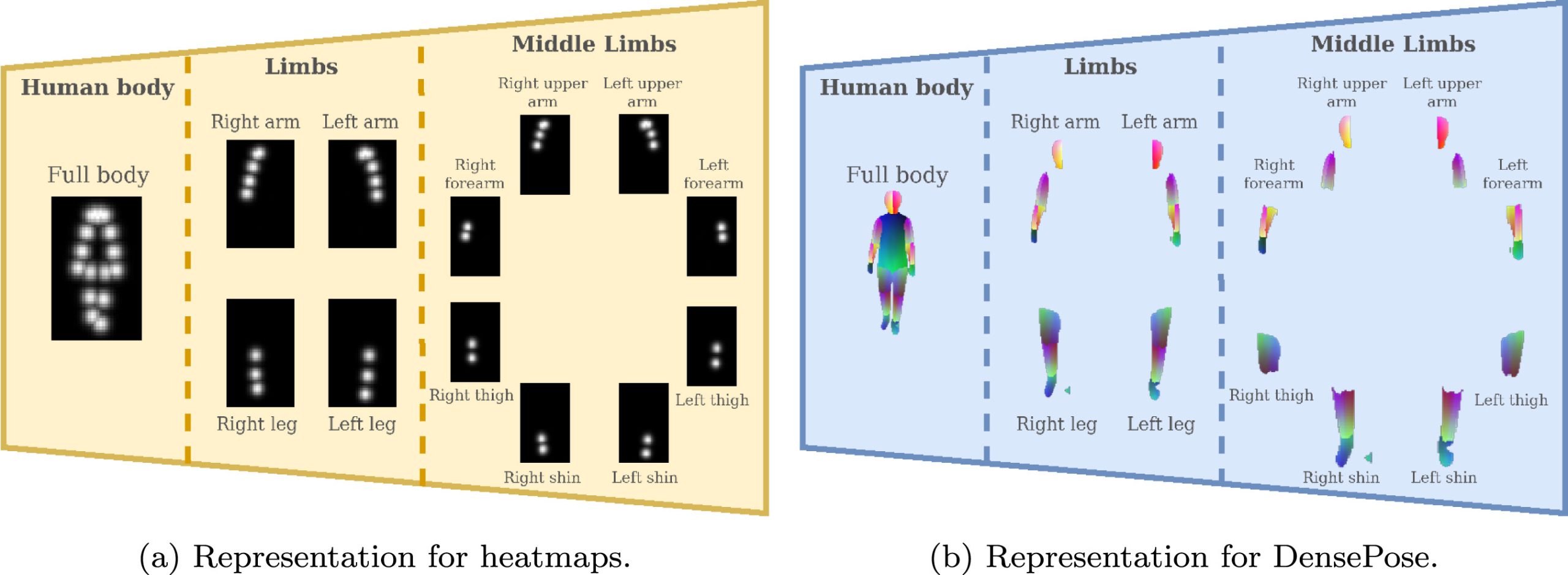
This research line focuses on developing state-of-the-art biometric systems to identify individuals using unique behavioral and physiological traits. Our primary expertise lies in gait identification, where we design advanced Deep Learning models (CNNs, Attention models) to extract robust gait signatures from video and inertial sensors. We tackle key challenges such as multi-view recognition, multi-modal fusion, and performance under missing modalities. The research also extends to physiological biometrics, including palm vein recognition, where we develop end-to-end systems for person identification and demographic classification.
Intelligent Video Analysis for Object Detection
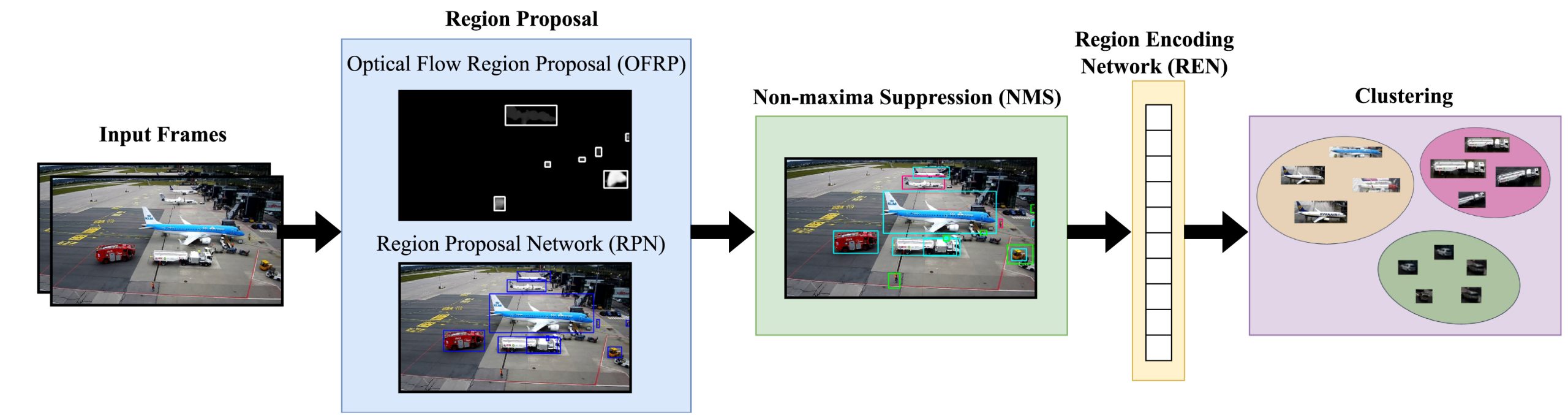
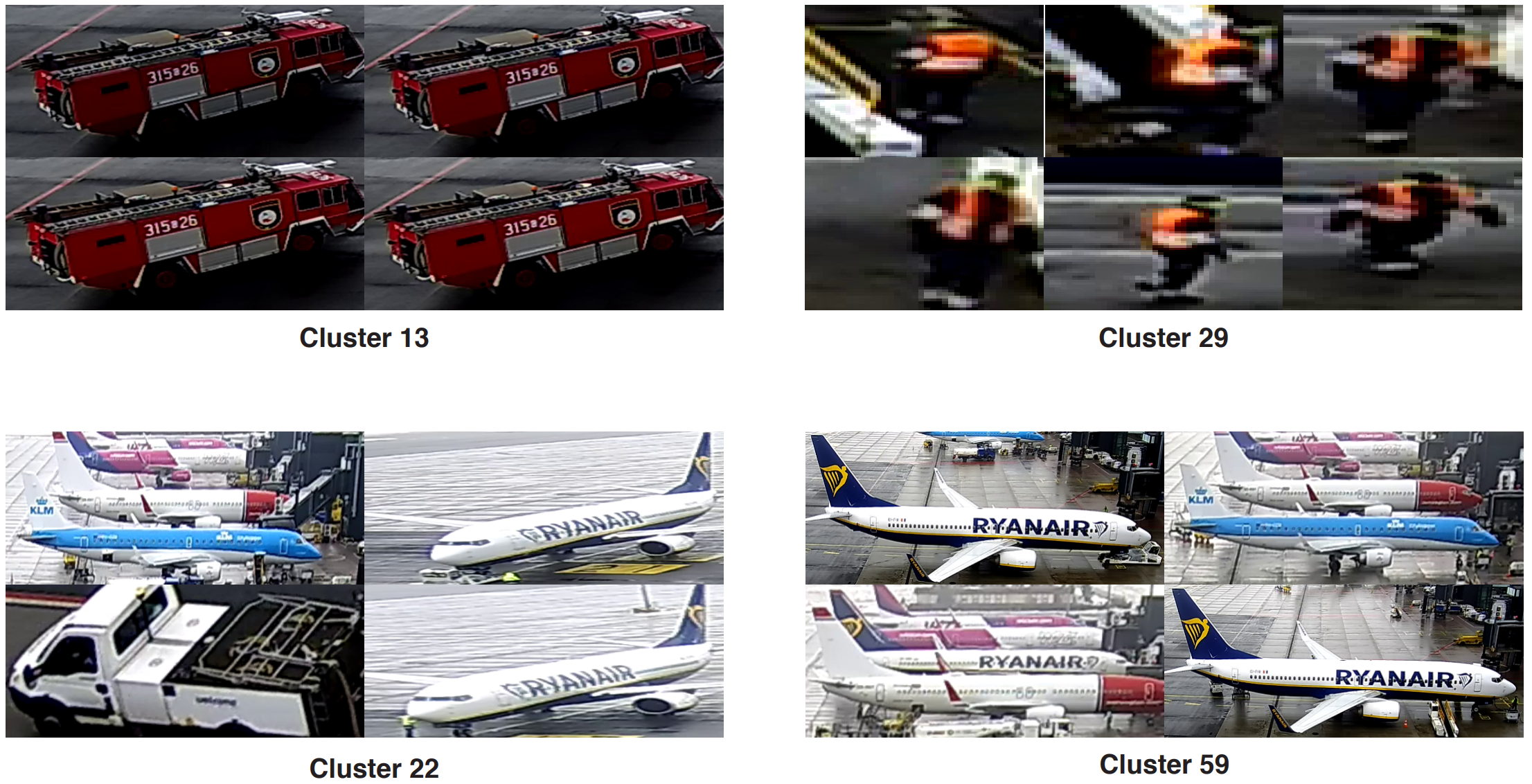
This line is dedicated to creating autonomous systems that can understand and interpret complex video streams in real time. The core focus is on unsupervised video object detection, developing novel methods that can discover and localize objects in environments like airports without requiring prior manual labeling. Our work aims to build robust models capable of operating on-the-fly, providing critical information for security, surveillance, and operational awareness applications.
Unsupervised Domain Adaptation of Deep Learning Models
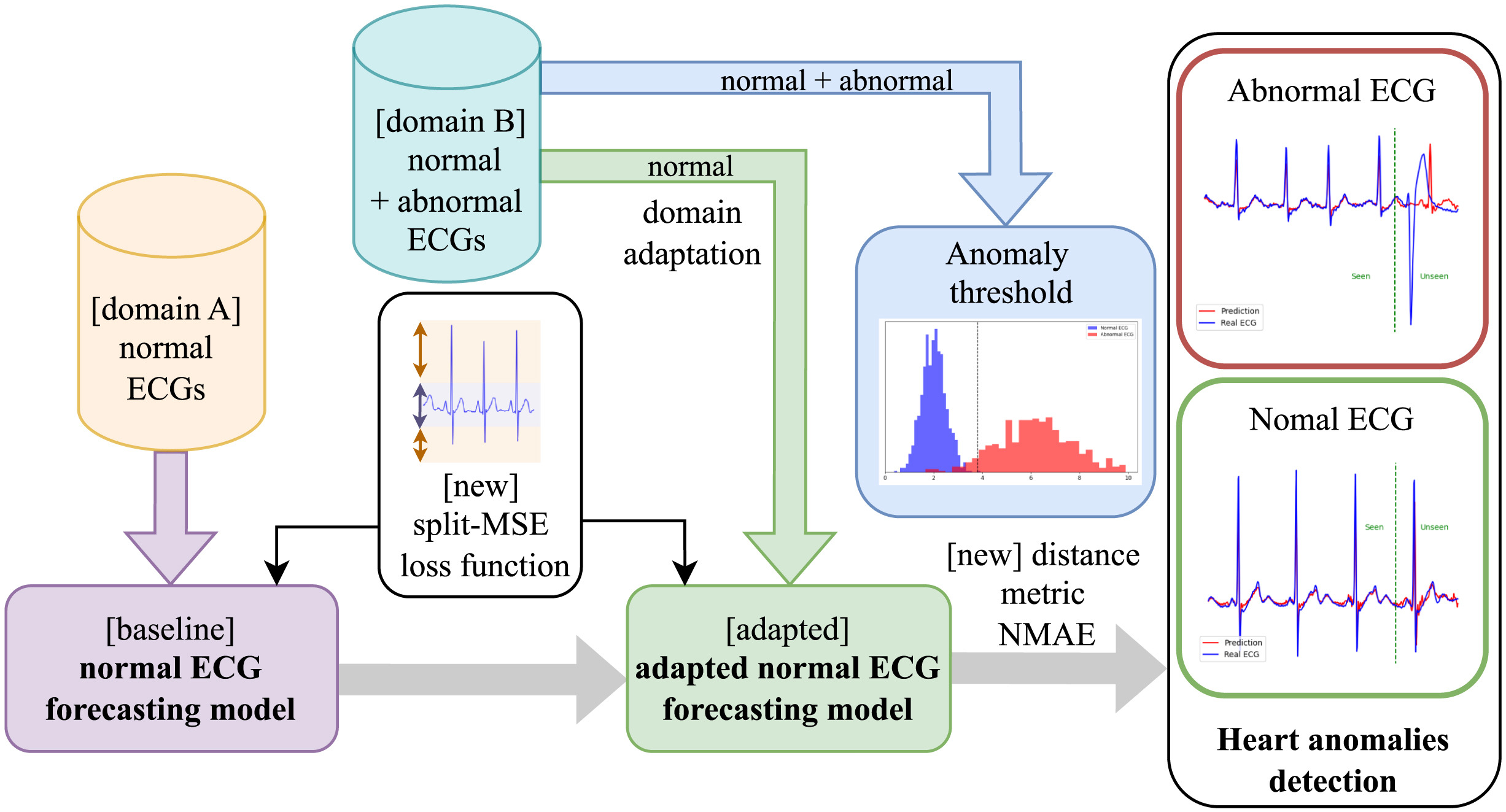
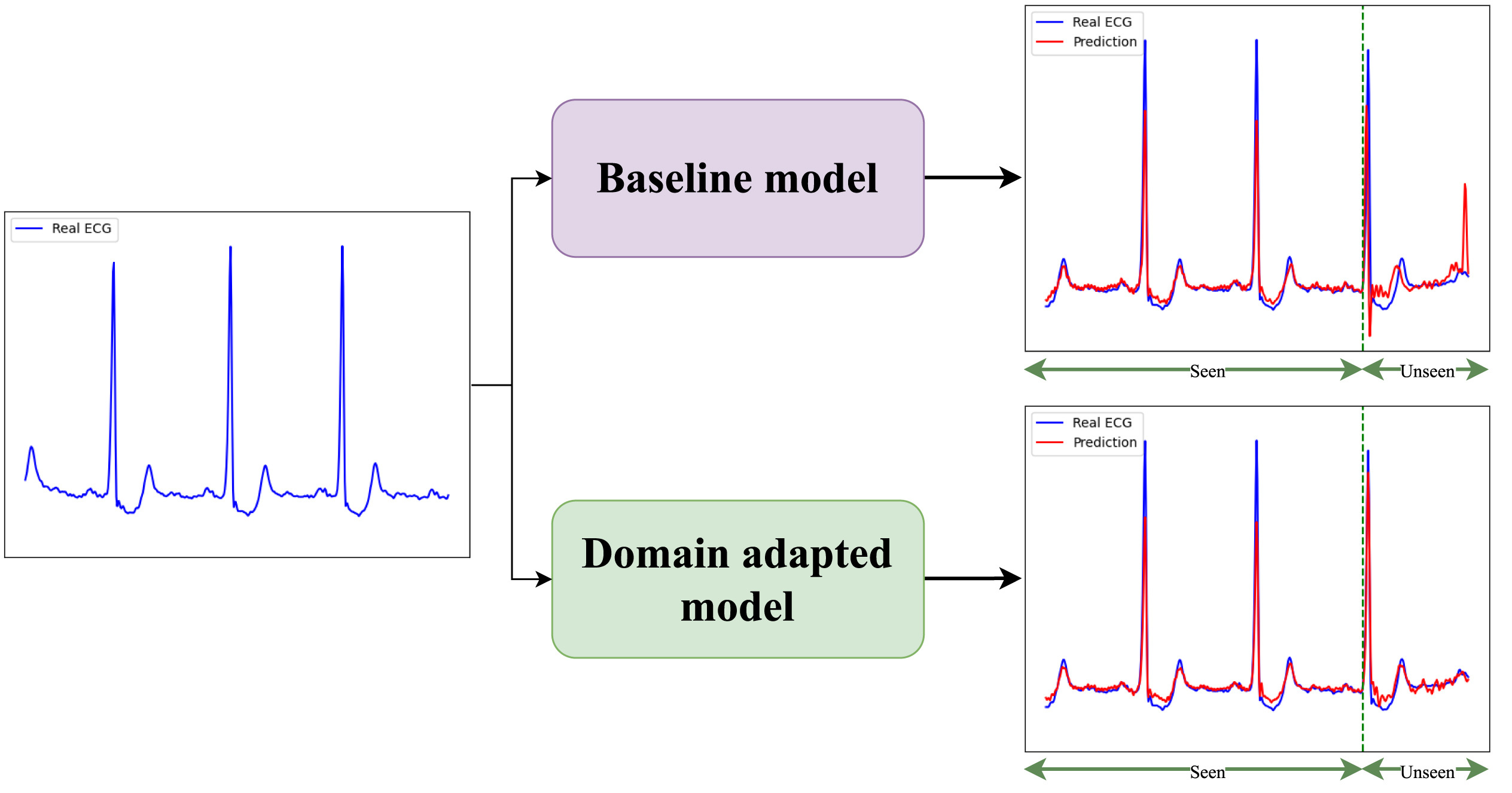
This research line addresses the critical challenge of model generalization. We focus on developing techniques for Unsupervised Domain Adaptation, enabling deep learning models trained on one data distribution (source domain) to perform effectively on a different, unlabeled or weakly-labeled distribution (target domain). The goal is to create more flexible and scalable AI systems that can be deployed in new environments without the expensive need for re-labeling.
Efficient Computing for Artificial Intelligence on the Edge (Edge AI)
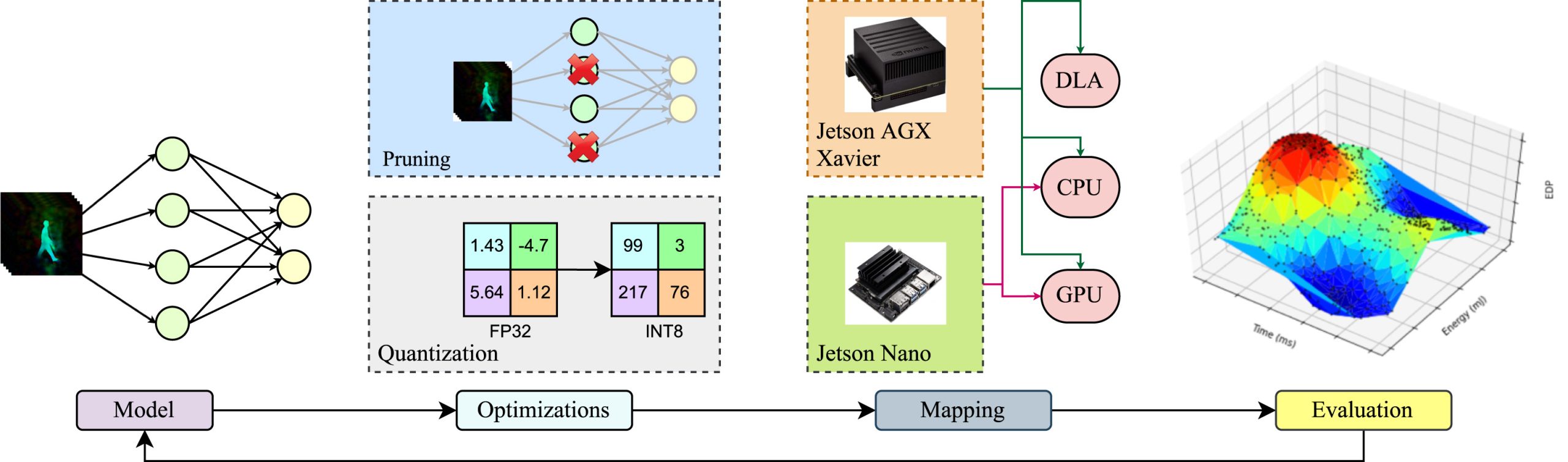
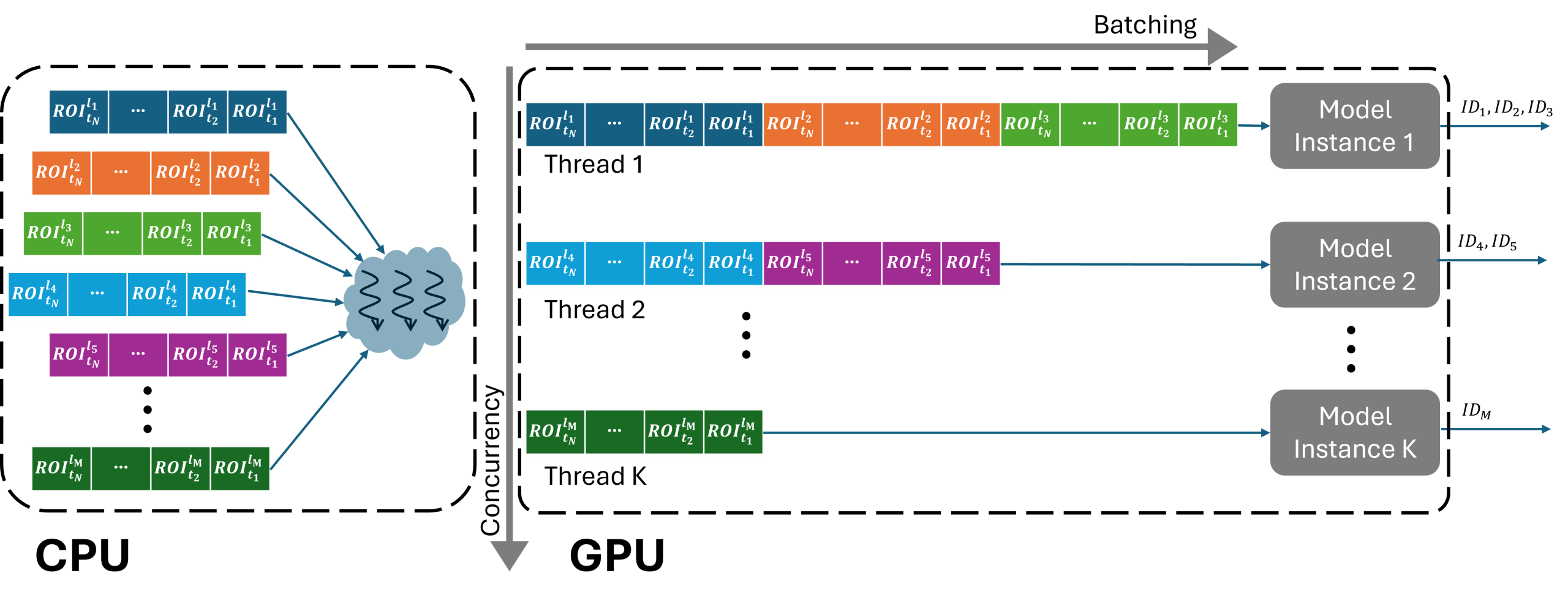
This line concentrates on the practical deployment of complex AI models. We engineer solutions to run high-performance deep learning inference on resource-constrained hardware (Edge AI). This involves designing lightweight model architectures, optimizing algorithms for energy efficiency, and developing advanced scheduling techniques for concurrent kernel execution on GPUs. The ultimate aim is to enable sophisticated AI, like the models developed in our other research lines, to run in real time directly on embedded systems, cameras, and other edge devices.